
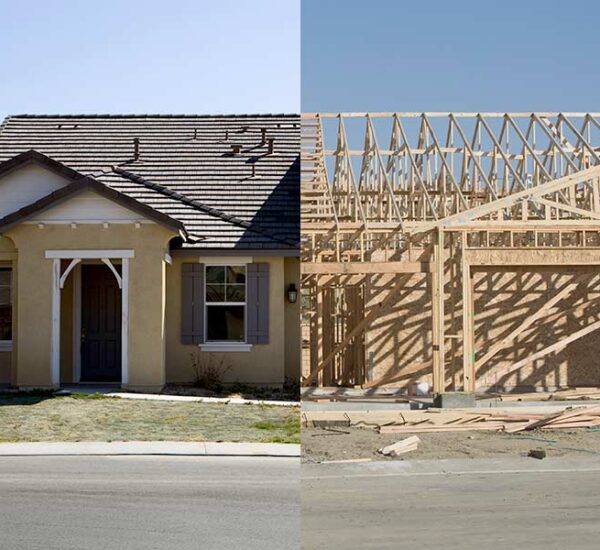
A home can look perfect on paper and still become the wrong decision once daily life begins inside it. The choice between a new build and an older place is not about which option is “better”; it is about which set of trade-offs you are willing to live with. Some buyers want fresh finishes, fewer repairs, and a blank-slate feeling. Others care more about mature neighborhoods, larger lots, and the character that comes from time.
The mistake many buyers make is treating this as a style decision when it is actually a life decision. Your budget, patience, risk tolerance, commute, family plans, and appetite for maintenance all matter. Even the way you gather market insight matters, whether that comes from local agents, inspection reports, builder documents, or broader real estate visibility resources like property market publishing networks. A smart choice starts when you stop asking which home looks better and start asking which one will age better with your plans.
Why New Build Homes Appeal to Modern Buyers
Fresh construction has a clean emotional pull. You walk through polished rooms, unused kitchens, untouched bathrooms, and bright layouts that feel made for the way people live now. That feeling has value, but it can also blur the harder questions behind the shine.
A newly built place often suits buyers who want less immediate repair work and more control over finishes. The catch is that “new” does not always mean simple. Builder contracts, construction timelines, development phases, and after-sale warranty terms can shape the entire experience. A strong property comparison begins with the beauty of the finished home, but it cannot stop there.
Modern layouts and low early maintenance
Fresh homes often solve problems older houses were never designed to handle. Open living areas, larger closets, better wiring, attached garages, and energy-aware windows can make daily routines feel less cramped. A family working from home, for example, may find that a newer floor plan handles laptops, devices, storage, and shared space with less friction.
Lower early maintenance is another strong pull. You may not need to replace the roof, upgrade the electrical panel, or redo the plumbing in the first few years. That breathing room matters for buyers who have stretched to buy and cannot face surprise repairs right after closing.
The counterintuitive part is that new homes can still demand attention. Fresh construction settles, paint cracks appear, doors shift, and drainage issues sometimes show up after the first season of heavy rain. A home can be unused and still need oversight.
Builder choices can shape long-term comfort
A builder’s reputation matters as much as the model home. The sample property may show upgraded cabinets, premium counters, and staged furniture, while the base package feels much plainer. You need to know what is included, what costs extra, and what the finished version will actually look like when the keys land in your hand.
Warranty coverage can protect you, but only if you understand the terms. Some items may be covered for one year, while structural issues may carry longer protection. The details matter because vague promises at the sales office do not fix cracked tiles or poor grading later.
Many buyers focus on choosing colors and fixtures, then skip the harder review of construction quality. That is backwards. Paint can change in a weekend. Poor drainage can haunt you for years.
What an Existing Home Offers That New Construction Often Cannot
After the appeal of fresh construction comes the weight of what already exists. An existing home gives you a finished neighborhood, visible wear patterns, established roads, mature trees, and a real sense of how the place functions. You are not buying a promise; you are reading evidence.
Older homes can bring repairs, outdated layouts, and higher maintenance needs. Still, they often offer location advantages that newer developments cannot match. A thoughtful home buying choice asks whether the imperfections are manageable or whether they point to deeper cost and comfort problems.
Established neighborhoods show their true rhythm
A lived-in neighborhood tells you things a sales brochure cannot. You can see traffic at school pickup time, hear weekend noise, spot parking habits, and notice how neighbors maintain their homes. That kind of information helps you judge daily life before you commit.
Mature areas may also place you closer to shops, schools, parks, hospitals, or older transit routes. A buyer choosing a home near a long-standing main road may save hours each week compared with a newer development farther out. Time is a housing cost too, even when it never appears on the mortgage statement.
The quiet advantage of an existing home is proof. The trees are grown, the sidewalks are used, and the surrounding houses have already revealed their patterns. You still need inspection, but you are not guessing at the future from a builder’s map.
Character can be an asset or a repair bill
Older homes often have details that newer houses try to imitate but rarely match. Solid wood doors, deeper porches, larger plots, built-in shelving, and settled gardens can create a sense of place. Character matters because people do not live inside square footage alone.
That said, charm has a price when it hides old wiring, aging pipes, weak insulation, or poor ventilation. A beautiful older kitchen may still need a full electrical update behind the walls. A cozy attic room may become unbearable in summer if the insulation is thin.
The right move is not to fear age. The right move is to price age honestly. When repairs are visible, negotiable, and planned, they become part of the budget rather than a nasty surprise.
Cost, Timing, and Risk Behind the Purchase
The emotional side of buying gets most of the attention, but the financial mechanics often decide whether you feel secure after moving in. A polished property can become stressful if the payment, closing costs, upgrades, and repairs leave no margin. A cheaper house can become costly if it drains your savings piece by piece.
Cost is not only the purchase price. It includes move-in costs, insurance, taxes, repair timing, commute expenses, furnishing needs, and the money you must hold back for the unknown. This is where many buyers discover that the cheaper option is not always the less expensive one.
Upfront price does not tell the full story
A newly built property may advertise a clear base price, but upgrades can change the final number fast. Flooring, counters, appliances, landscaping, fencing, lighting, and window coverings may not be included at the level you expect. The model home often whispers luxury while the base contract speaks in smaller print.
An older home may ask for repairs soon after purchase. A roof nearing the end of its life, an aging water heater, or dated heating equipment can change your first-year budget. These costs are not always deal-breakers, but they must appear in your decision before you make an offer.
Smart buyers create two numbers: the purchase cost and the first-two-years cost. That second number often tells the truth. It shows whether the home fits your actual life, not the version of your life you imagined during the showing.
Timing can make one option more practical
Construction delays can test even patient buyers. Weather, labor shortages, permit issues, material gaps, and builder scheduling can shift closing dates. If your lease ends soon or you need to move before school starts, that uncertainty can become more than an inconvenience.
An existing home usually offers a clearer timeline. Once inspections, appraisal, financing, and closing are complete, you know when you can move. That certainty can carry real value for families, job relocations, and buyers coordinating the sale of another property.
Still, older homes can create timing problems of their own. Inspection findings may trigger renegotiation, lender repairs, or seller delays. The point is not that one path is smooth and the other chaotic. The point is that each carries a different kind of waiting.
Lifestyle Fit, Resale Value, and the Smarter Final Choice
Once price and timing are clear, the decision becomes more personal. You need to imagine not only move-in day, but year three, year seven, and the moment you may need to sell. A home that fits your life today but fights your future can become a slow frustration.
This is where lifestyle and resale meet. The house you choose should support your routines while still making sense to the next buyer. A strong property comparison looks at comfort now and demand later, because both decide whether the purchase holds up.
Daily routines expose the better choice
A home’s true value shows up in ordinary moments. Where do groceries land when you walk in? Can two people cook without bumping into each other? Is there a quiet spot for work calls? Does morning traffic turn a short commute into a daily grind?
Newer homes often serve modern routines well, especially if you want flexible rooms, attached parking, and fewer near-term projects. Older homes may win when they place you closer to work, schools, relatives, or established services. The better choice depends on which friction you can tolerate.
A buyer with young children may prefer a smaller older home near a trusted school over a larger new house farther away. Another buyer may accept a longer drive to get a clean layout and no renovation stress. Both choices can be right. Context decides.
Resale depends on demand, not personal taste
Future buyers will not care how excited you felt at closing. They will care about location, condition, layout, price, and whether the home solves their problem better than nearby alternatives. Resale value rewards broad appeal more than personal preference.
A new home in a growing area can gain strength if schools, roads, shopping, and services develop well. It can also struggle if too many similar homes compete at the same time. When every house on the street has the same floor plan, your advantage may be thinner than you think.
An older property can hold value when the neighborhood is strong and the structure has been maintained. Poor renovations, awkward additions, or neglected systems can weaken that advantage. The smartest home buying choice is the one that feels good to live in and still makes sense to a practical stranger later.
Conclusion
Choosing well means being honest about the life you are buying, not only the property. A house is a daily operating system. It affects your mornings, your savings, your patience, your weekends, and your future options.
The better path is not always the newest floor plan or the most charming street. It is the home that matches your money, timing, habits, and tolerance for work. A new build may give you comfort, clean design, and fewer early repairs, while an older property may give you location, maturity, and proven surroundings. Neither wins by default.
Before you commit, write down your top five non-negotiables and test each property against them without emotion. Then add the first-two-years cost beside the purchase price. That single exercise can cut through the noise faster than any open-house feeling. Choose the home that still looks wise after the excitement cools.
Frequently Asked Questions
Is a newly built home better than an older home?
A newly built home is better when you value modern layouts, fewer early repairs, and updated systems. An older home is better when location, land size, neighborhood maturity, or architectural character matters more. The stronger option depends on your budget, timing, and repair tolerance.
What should I check before buying an existing home?
Focus on the roof, plumbing, electrical system, foundation, drainage, heating, cooling, windows, and signs of water damage. A professional inspection is worth the cost because older properties can hide expensive issues behind fresh paint, furniture, or cosmetic updates.
Are move-in costs higher with a new construction home?
Move-in costs can be higher than expected because landscaping, blinds, fencing, appliances, upgraded finishes, and outdoor work may not be included in the base price. Always ask for a full list of included items before comparing the home against older properties.
Does a new construction home have better resale value?
Resale value depends on location, build quality, neighborhood growth, layout, and future buyer demand. A new construction home can perform well in a growing area, but too many similar homes nearby may limit price growth when you decide to sell.
Why do some buyers prefer older homes?
Older homes often sit in established neighborhoods with mature trees, larger lots, closer services, and stronger local identity. Many buyers also like the character and craftsmanship. The trade-off is that repairs and updates may arrive sooner than they would in a newer property.
How do I compare the total cost of two homes?
Compare the purchase price, closing costs, taxes, insurance, commute expenses, repairs, upgrades, furniture needs, and first-two-years maintenance. This gives a clearer picture than price alone and helps you avoid choosing a home that looks affordable but strains your cash.
Should first-time buyers choose new or existing homes?
First-time buyers should choose the option that leaves enough money for emergencies after closing. A newer home may reduce early repair stress, while an older home may offer a stronger location. The safer choice is the one that fits both lifestyle and cash flow.
What is the biggest mistake when choosing between home types?
The biggest mistake is falling for surface appeal before checking cost, location, timing, and long-term fit. Fresh finishes can distract from weak value, and charming older details can hide repair bills. A disciplined comparison protects you from both mistakes.